 |
 |
 |
A partnership in research and education |
|
Research Tools Below is a list of typical tools that are used when conducting energy use analysis. |
|
||||||||
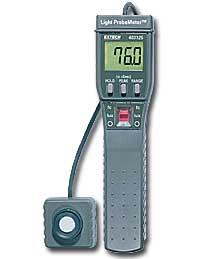
Light Meter:
|
||||||||||
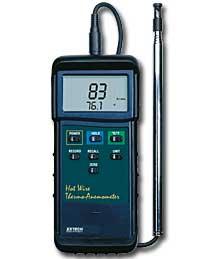
Anemometer:
The anemometer measures the velocity and temperature of air flow. It can analyze the severity of building leaks as well as the air circulation flow rates through a facility. The data obtained by this device is used to calculate heat transfer quantities as well as potential heating and cooling energy savings. This allows for accurate predictions of heat loss due to building leaks as well as an indication of plant ventilation rates. |
||||||||||
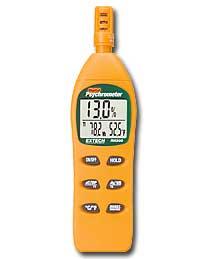
Digital Psychrometer:
The temperature and relative humidity of facility air can be evaluated with the digital psychrometer. This information can in turn be used to calculate the amount of enthalpy present in the dry air and the amount of energy needed to raise the a certain temperature of the air to another. The data presented can aid in the assessment of the current heating and cooling requirements specifically pertaining to the plant air quality. |
||||||||||
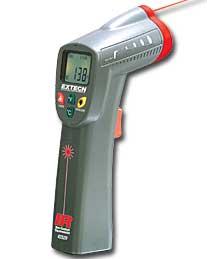
Infrared Temperature Sensor: |
||||||||||
Ultrasonic Leakage Detector: 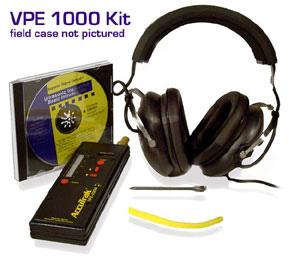 The ultrasonic leakage detector is used to establish if there are leaks present in steam or compressed air lines. The detector can also indicate if a bearing is wearing out on a piece of machinery. Typically an audit team member will employ this tool to listen for leaks to be further quantified. |
||||||||||
Combustion Analyzer:
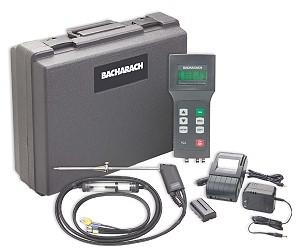
The combustion analyzer obtains the characteristics of fuel combustion. From the readout of this device it is possible to determine the chemical content of the exhaust gasses (CO and NOx levels) as well as flue gas temperature. These values will reveal the nature of the burner set up and possibilities for optimization. Understanding the chemical content of the exhaust, the flue gas and the temperature aid in the research of heat exchange systems and economizers. |


© 2008-2009 Energywise Program | 138A Essex Hall | University of Windsor | 401 Sunset Avenue | Windsor, Ontario N9B 3P4 | 519-253-3000 Ext. 2543 |